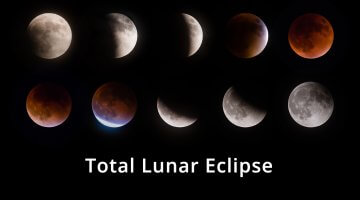
A total lunar eclipse happens when the Earth’s shadow blocks the sun’s rays that usually reflect off the moon. This happens when the sun, earth, and moon are aligned in a straight line. For those in North America and the …[Continue]
Saturn
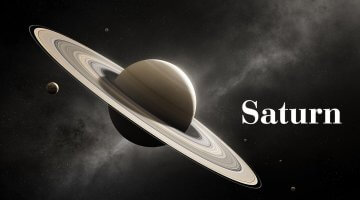
Saturn is the second-largest planet in the Solar System, and it’s the sixth planet from the Sun. Saturn is known for its spectacular rings, which are mostly composed of ice particles and rock dust. In 1997, NASA launched the Cassini–Huygens …[Continue]
Dog Breeds

Dogs have been cross-bred for thousands of years, resulting in a hundreds of breeds. The American Kennel Club, however, recognizes just 157 dog breeds, although most people could probably name fewer than a dozen. Whether you are trying to find …[Continue]
Solar Eclipse
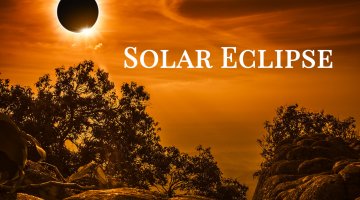
On August 21, 2017, a total solar eclipse will cut a path across the continental United States from Oregon to South Carolina. Because this is the first time in nearly a hundred years that a total solar eclipse will touch …[Continue]
Apollo 11
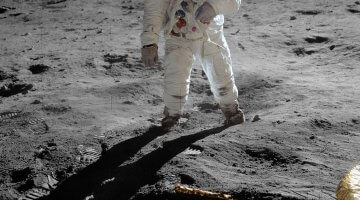
I remember that summer night, July 20, 1969, when Neil Armstrong and Buzz Aldrin walked on the moon. I tell my kids this story, and I know that for them, it is a story from another lifetime. They grew up …[Continue]
Meteor Showers

Meteor showers are cyclical, predictable events because they are formed from the icy rock debris shed by comets as they pass the Sun. The following sites explain why they happen, when they occur, and offer tips on how to best …[Continue]
Ben Franklin’s Kite Experiment
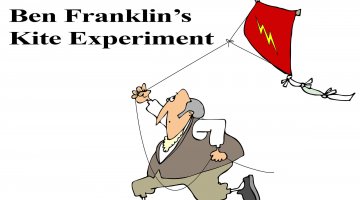
In June of 1752, Ben Franklin sought to prove that lightning was electrical by flying a kite in stormy weather. When Franklin touched the iron key attached to the kite’s string, he saw sparks fly between his knuckle and the …[Continue]
Zoo Animals

June is National Zoo and Aquarium month, and today we are going on a virtual zoo hop. I hope you enjoy the lions, and tigers, and bears, oh my!…[Continue]
Gorillas
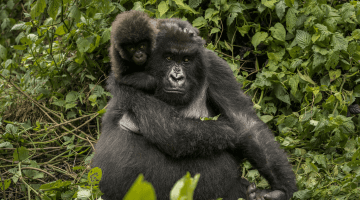
Gorillas are the largest of the apes and have no natural enemies except for man. They make their home in the rain forests of Africa, near the equator. I was amazed to learn they were not discovered by man until …[Continue]
Snow

Today’s collection of snow sites include both a scientific and artistic exploration of the subject. For example, if you’ve ever wondered how to preserve snowflakes on microscope slides, or how to make sparkle snow paint, you’ll find your answers (and …[Continue]
