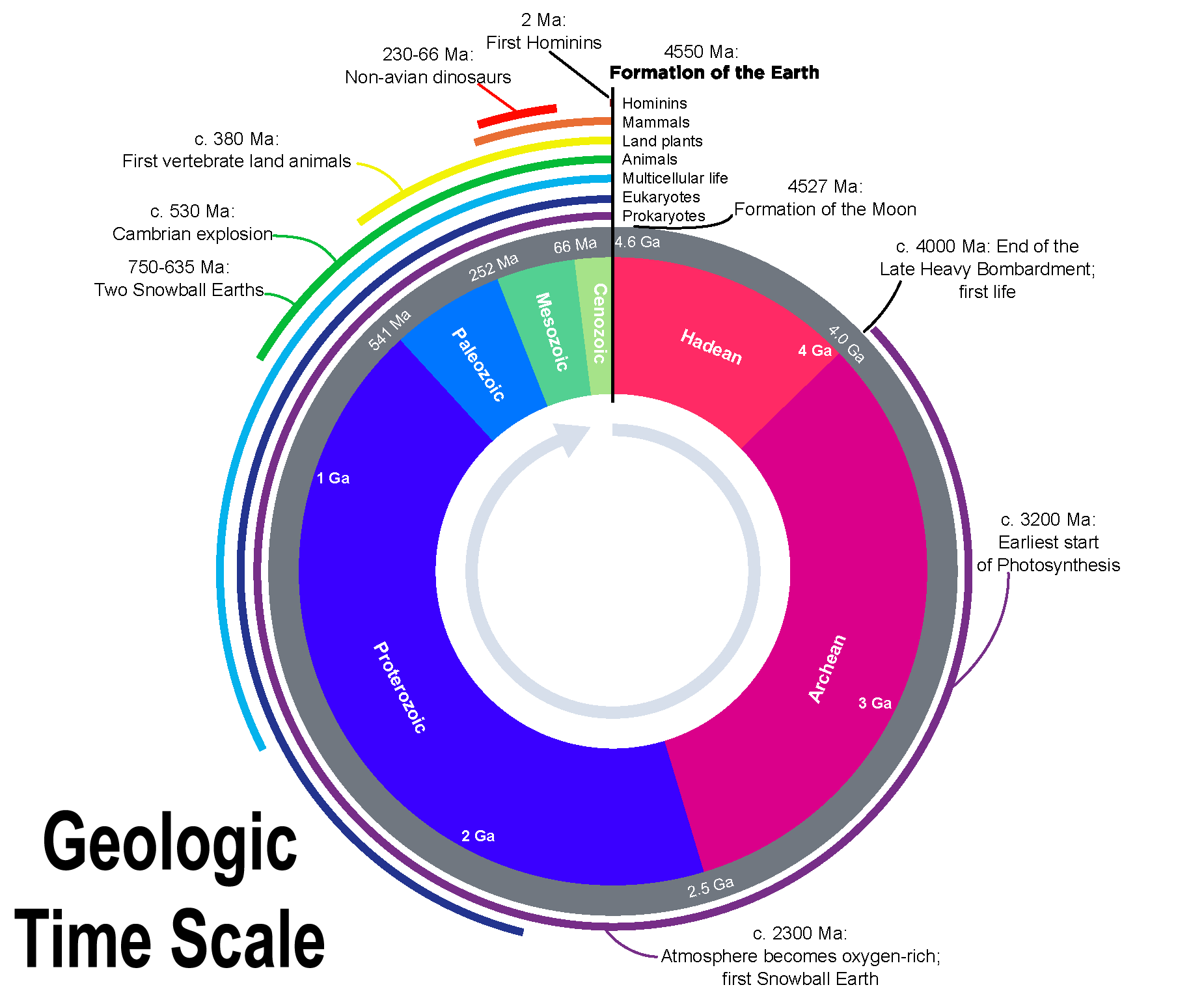
The geologic time scale (GTS) is a system used by Earth scientists to organize the timing of events in Earth’s history. The largest defined unit is the supereon, which is composed of eons. Eons are divided into eras, which are …[Continue]
Dinosaurs
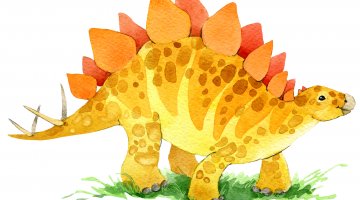
Named from two Greek words meaning “terrible lizard,” dinosaurs first appeared about 220 million years ago, and then disappeared rather suddenly 63 million years ago. Dinosaurs capture our imagination in many different ways. Their tremendous size, their fearsome looks, and …[Continue]
How to Make Slime
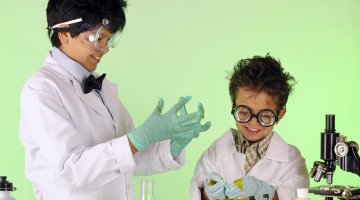
Whether you call it slime, flubber, oobleck, goo, goop, gak, gunk, ooze, putty, or play dough, we are talking about gooey, homemade polymers that can provide both hours of fun and an introduction to chemistry….[Continue]
Chemistry
Despite the common misconception that “chemical” means toxic and is the opposite of natural, chemistry is the study of all substances (natural and man-made, toxic and non-toxic). It involves the identification of the building blocks of matter, and the ways …[Continue]
Killer Whales
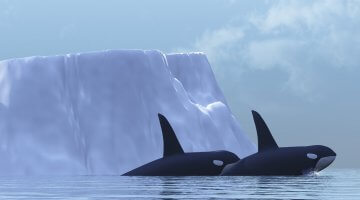
The killer whale (also known as an orca) is a marine mammal and the largest member of the dolphin family. They are found in all the world’s oceans, both cold (Arctic Ocean) and warm (Indian Ocean). Killer whales are social …[Continue]
Bubbles

Looking for some good clean summertime fun? Try making a batch of bubble solution and a homemade bubble wand. My favorite recycled bubble wands are those green plastic strawberry baskets that accumulate in the kitchen ’cause I hate throwing them …[Continue]
Fruits and Vegetables
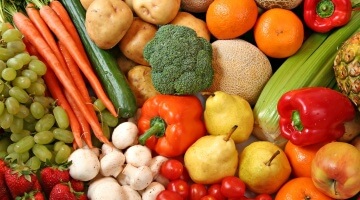
In honor of National Fresh Fruit and Vegetable Month (June), today’s tour extols the health benefits of including more produce in our diets….[Continue]
Rivers
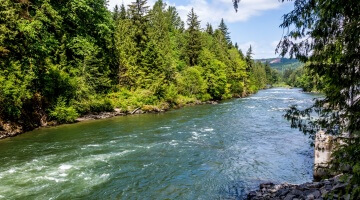
A river is a natural flow of water (usually freshwater) towards an ocean, sea, lake or another river. They are an important part of our ecosystem as a source of water, food, transportation, defense, energy, and recreation. Learn more at …[Continue]
Water Cycle
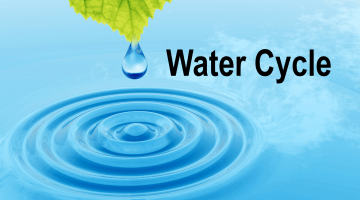
A glass of water doesn’t seem very complicated. Yet water can be a fascinating topic, full of opportunities for hands-on learning. Today’s sites include dozens of activities and experiments for the young and curious ready to learn about the exciting …[Continue]
DNA
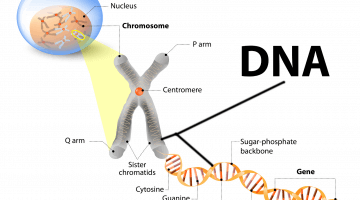
DNA (deoxyribonucleic acid) is a long, spiraling molecule that carries the genetic codes that enable cells to reproduce. Although DNA was first isolated by Friedrich Miescher in 1869, it’s double helix structure wasn’t discovered until 1953 by James Watson and …[Continue]
